SPOILERS AHEAD (obviously)…
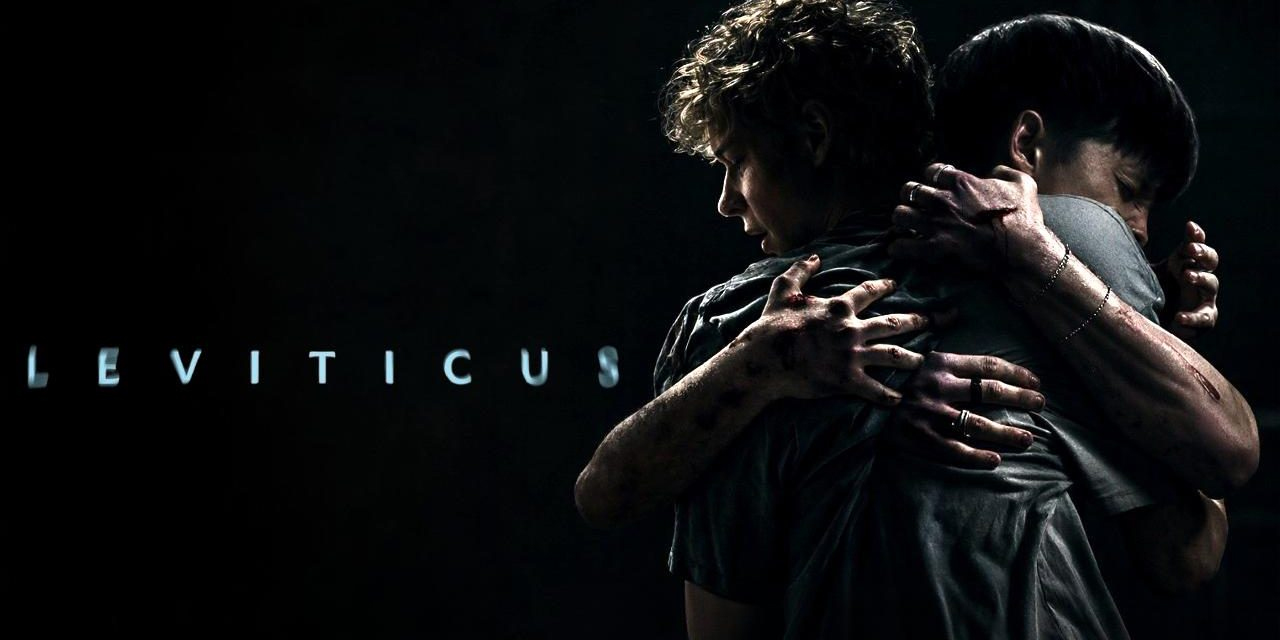
Leviticus, directed by Adrian Chiarella and released in 2026, follows two Australian teenage boys whose secret relationship is upended when a religious ritual summons a violent entity to trick and prey upon them. Defined as a romantic horror film, it blends two definitive genres, creating a new lens to view gayness, self-worth, and conversion therapy. When Naim finds himself caught in a love triangle with his secret partner, Ryan, and the local pastor’s son, Hunter, he flies into a rage and reveals their affair. Consequently, a deliverance healer is called to perform an ancient ritual on the boys. Shortly thereafter, Naim discovers the sinister effects of this ritual and sets out to protect his lover.
This film allows for a unique interaction between the genres or romance and horror. It also explores several themes that are central to its narrative. Each character represents a different perspective and the dynamics between them are very telling. Leviticus delves into themes of self-worth, ostracization, religious ideology, and courage through character development, cinematography, symbolism, and metaphor.
A Doomed Triangle

Early in the film, it is revealed that Naim and Ryan are in a secret relationship. They foster this romance in secret knowing that their community would reject it. Several times, the two are seen wrestling with each other, a clear representation of the couple grappling with their complex feelings for one another. Naim mentions that Ryan treats him differently when the two are in public, ignoring him entirely. This is likely Ryan’s attempt at denial. Naim seems more comfortable being with Ryan until he catches his reflection in a fish eye mirror while they are intimate. Uncomfortable, he suddenly tells Ryan that they should stop and leave, showing his own self-doubt and shame.
Ryan is also engaged in a secret romance with the pastor’s son, Hunter. Naim spots the two throwing rocks at each other shortly before being intimate. The behavior of throwing rocks shows their struggle of coping with their romantic feelings. This aggressive act is their only form of expression as they attempt to reject their true desires. While Ryan’s feelings toward Hunter seem to be primarily physical, his feelings for Naim are rooted more deeply and are reciprocated, making their connection both stronger and more terrifying once the entity begins to harm them.
Nature’s Reckoning
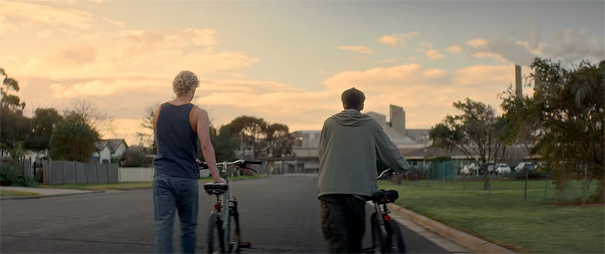
Cinematography in Leviticus adds another layer of understanding to the plot. The setting itself presents intrigue as an industrial village against bushlands. This mirrors the theme of old texts and biblical references, posing the question of whether these texts demand a natural order or if their interpretations are manually imposed on mankind. Additionally, shots of Naim and Ryan are very isolated whereas the ensemble frames appear crowded. This shows a clear contrast between these characters and their community, a visual representation of the ostracization they face for being themselves. At the beginning of the film, this theme is also present when Naim and Ryan spot a snake slowly swallowing a frog. Biblically, snakes represent temptation while frogs symbolize uncleanliness. This disturbing image represents how the boys are viewed by their community.
Twin Flame
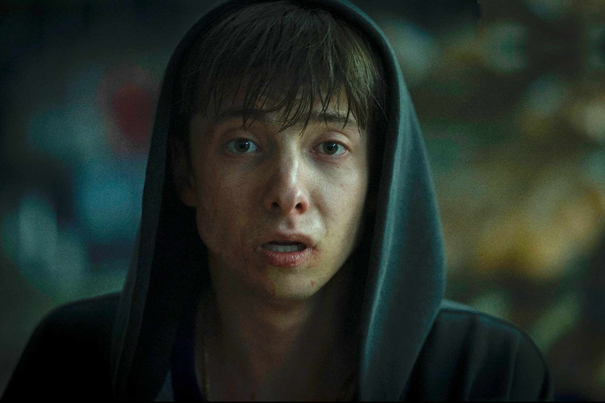
When Naim spots Ryan and Hunter being intimate, he flies into a roaring state of pain and jealousy, causing him to tell his parents as well as the pastor, Hunter’s father. Consequently, a deliverance healer is called in to perform a ritual on the boys. This ritual summons an entity that takes the form of the person its victim is drawn to most. When Naim witnesses this entity kill Hunter, he sets out to protect Ryan, only to find himself fallen victim to the ritual himself.
The deliverance healer presents a lighter during the ritual and recites, “two flames; one to defile, one to reform.” Later Naim finds that the entity is weakened by fire. This line is representative of the curse he summons. The first flame causes harm and the second protects from this harm. In another sense, the first flame defiles, taking the boys’ romantic feelings and turning them into fear and harm, whereas the second flame hurts the entity, causing the boys not only to fear their feelings for each other but quite literally fight them off as well. The objective is that they will reject temptation and “purify” themselves.
At the end of the film, Naim’s mother, Arlene, reveals that she knew about the consequences of the ritual and still forced it on her son after being told it would keep him “safe.” Although Arlene does not seem to be a truly antagonistic character, the connotation here is that she believes her son is safer being stalked, physically harmed, or even killed than being gay. That’s a tough pill to swallow for Naim, but it doesn’t take him long to make the choice of running from this life with her, because no matter what her intentions were, it is clear that she will not keep him safe.
Out of Control
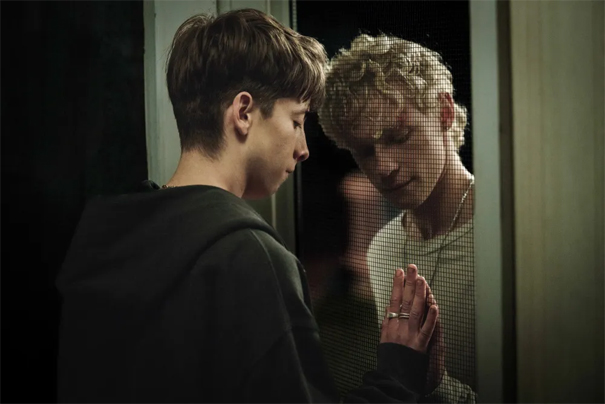
Naim seemingly burns the entity to rid himself of the curse once and for all, but, as he and Ryan leave town, he spots it once again staring at him from outside the bus window. Regardless, Naim and Ryan make the decision to be together despite what danger may follow. While their feelings for each other never fade away, neither does the internalized shame and impending doom that lurks around them, an idea brought to life by the terrifying entity.
The boys share headphones and listen to “Self Control” by Frank Ocean while they ride the bus out of town together. This song deals with complex feelings as well as the theme of resisting temptation, a prominent theme throughout the film as well. The boys ultimately decide to stop fighting their feelings for each other and embrace them in spite of any danger they may face. Leviticus poses a powerful message of resilience, as the boys reject the destruction caused by their community’s attempted conversion therapy. Rather than fearing their feelings into rejecting them, they accept themselves and each other as they are and the adversity that may surround it. The main characters of Leviticus do not reject their feelings or each other, but rather, they reject the idea of being forced into a shoe that does not fit.