SPOILERS AHEAD (obviously)…
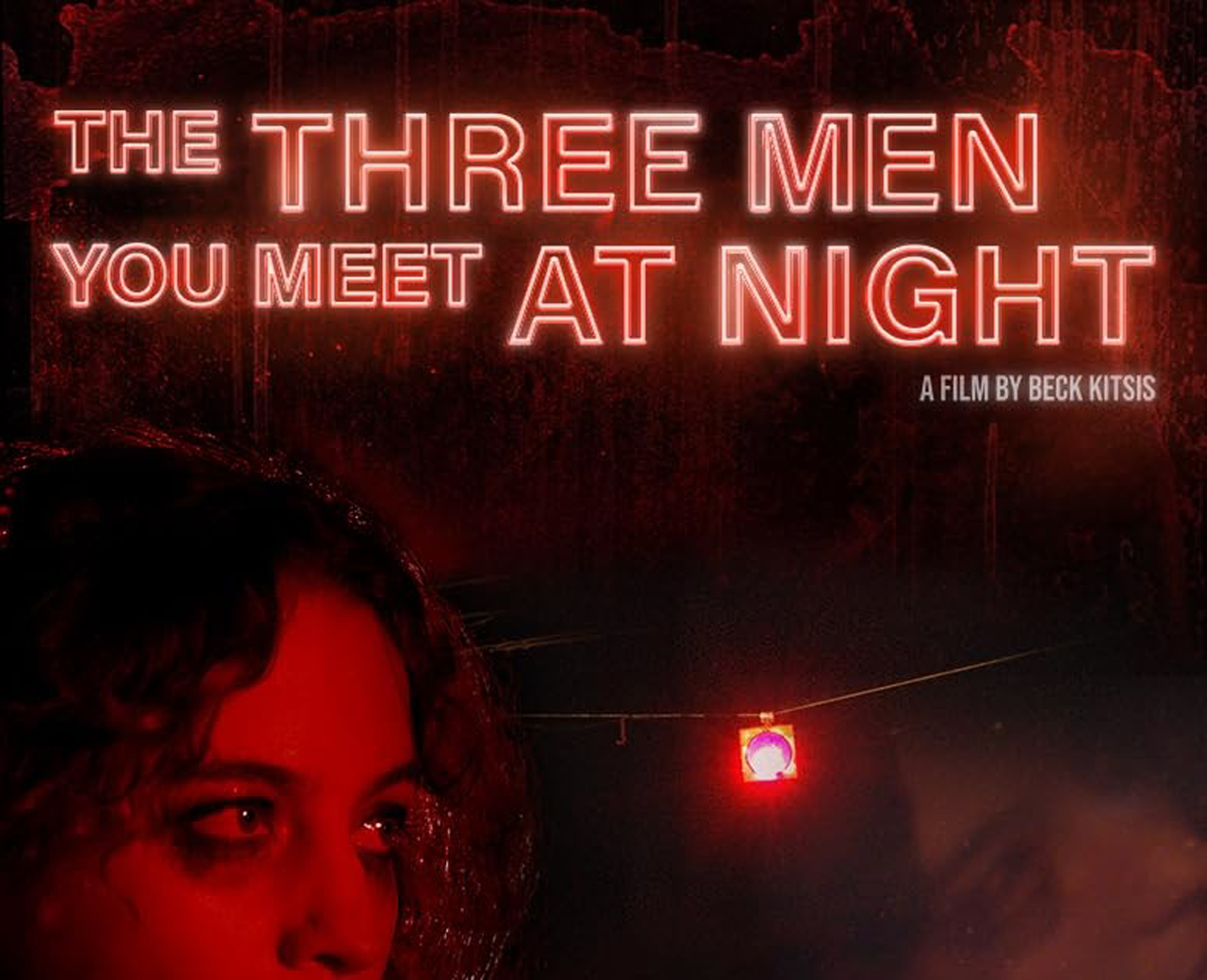
Written and directed by Beck Kitsis, The Three Men You Meet at Night follows a young woman whose walk home in the dark quickly evolves into a nightmare scenario. The characters she encounters become increasingly sinister as the plot grows, exposing the raw horror that women commonly face. This short film was released in 2020 and showcased at several film festivals at that time, but its relevance is seemingly timeless.
Suspense remains present through every moment of this short film. The visuals, script, and performance bring this disturbing concept to life. As the protagonist, Jess, embarks on her journey home at night, she does not know who she can trust and soon discovers that the answer is nobody. Character profiles of the men she meets as well as key details embedded in the film reveal a quiet but ever-present horror of womanhood.
The Whistling Truck
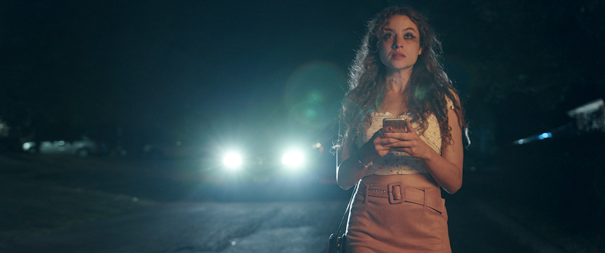
Jess’s first encounter on her walk home is with a pickup truck, which pulls up and drives closely behind her. The driver of the vehicle cannot be seen, but he begins to whistle at Jess tauntingly. Fearfully, Jess whips out her phone, which displays a low battery warning. She preemptively dials 9-1-1 but does actually call. The truck pulls around her and stops in front, the driver still fully hidden inside. Jess spots a bumper sticker on the vehicle that says, “keep honking I’m reloading.” When Jess stops walking and stands, staring at the vehicle, it suddenly speeds away. In the final scene of the film, Jess sees her neighbors in the morning light, a mother getting her children ready to leave the house and their father, washing his truck in the driveway. Jess spots the same bumper sticker and recognizes him immediately, shooting him a knowing look and proceeding on her walk before the credits roll.
The truck driver is representative of those who play both sides of a coin. By day, he is a husband and father, appearing innocent and kind, but by night, he terrorizes this young girl while she attempts to get home safely. His face remains hidden, building suspense and giving him a scarier edge. In this final scene, this edge is taken away in broad daylight, revealing an average man who does not present as particularly strong.
A Familiar Face
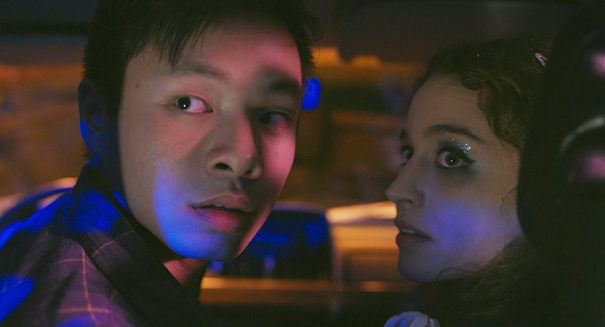
The second threat presented to Jess appears in a car that speeds up on her suddenly, the engine revving and boys shouting from inside. She tries to run away but her high-heeled shoes hinder her, causing her to trip. They stop the vehicle and apologize, insisting that that the charade was simply a ruse. After stating that she should not be walking alone at night, one of the boys, Richie, offers her a ride. Reluctantly, Jess accepts and takes a seat at the back of the car. During the ride, she comes to realize that her phone has run out of battery entirely. Just then, she notices that Richie is driving away from her house. She reminds him where she lives but he tells her he must drop off his friend first. Once he does this, he invites Jess to sit in the front passenger’s seat of the car. He takes her on a very dimly lit road and claims he wants to show her something before driving into an abandoned camp and making an unsolicited and unwanted advance on her.
Richie represents incels with control. He clearly does not get the opportunity to make advances on women often and this has formed animosity toward them within him. He jumps at the chance when he realizes he has power in this situation. He is driving the vehicle and determines whether Jess is brought home safely or not. This portion of the story also reflects the real-life evidence that suggests a woman is more likely to experience sexual misconduct that is perpetrated by someone they know. Jess knows Richie from school, and he uses this to attempt to lure her so he can take advantage of the situation. His plan is ruined when Jess is saved by a police officer that arrives just in time, or so she thinks.
The Anti-Hero
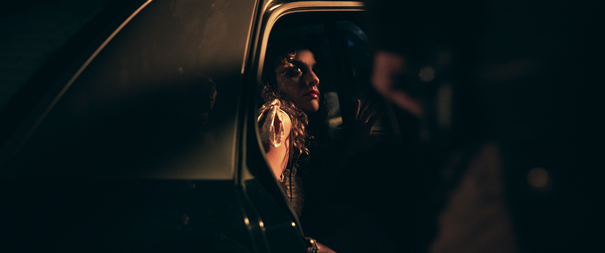
When a police officer approaches Richie’s car, he asks if Jess is alright to which she replies that she is trying to get home. He offers her a ride which she accepts by exiting Richie’s car and entering the lit up police car. When the office enters the vehicle, he asks Jess if she had been drinking. She looks guilty and he tells her that he will not “bust” her. He likely does this for two reasons, the first being to gauge how impaired she is, and the second to try to appear relatable and lure her into a false sense of security. The conversation becomes increasingly unsettling when the officer comments on what Jess is wearing, telling her that it would make him uncomfortable if he were her father. He then offers to bring her to his house but Jess shuts this down and tells him that they have arrived at her house. His mood changes and he becomes much more menacing. He lets her out of the car and gives her a creepy once over with his eyes.
The irony of this character’s role in the story is that he is expected to protect people such as Jess, and yet he uses this role to instead put her in further danger. He is meant to be a hero, but instead, he becomes the biggest threat of all and arguably the most menacing of the three men Jess encounters, shown by his unsettling stares through his rearview mirror and lasting gaze as he studies this fearful young woman’s body. After two terrible encounters in which the protagonist of the story is let down by men, this character is supposed to be her savior, but instead further fuels her nightmare journey home.
A Walk Through Purgatory
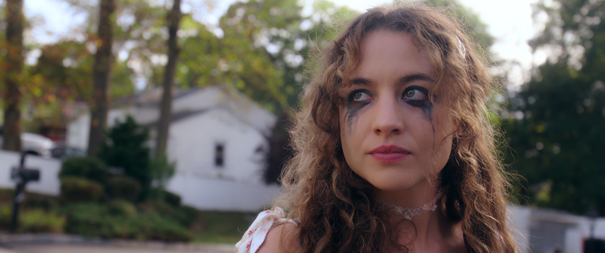
Jess endures a terrifying walk home in the short film, The Three Men You Meet at Night. Despite running just under thirteen minutes, this film feels much longer for the protagonist, who must exhibit resilience and courage as she attempts to get home safely. At the start of the film, a bright red traffic light can be seen blinking, and creaking is heard as Jess walks. She looks back to discover a tree swing blowing gently in the wind.
She can also be heard weeping, potentially hinting that the circumstances causing her walk home alone. After her three horrifying encounters, the police officer lets her out of the vehicle and drives away. The creaking can be heard again. Jess spots the same tree swing, and looks ahead to find the same blinking traffic light. She is right back where she started, symbolizing a common frustration of womanhood. The blinking red light is also reminiscent of purgatory, setting the mood of the story, pushing the feelings of fear and helplessness onto its audience, and establishing a whole new layer of empathy for the film’s protagonist. Despite its length, this short film exhibits a strong character that symbolizes one of the most prominent struggles that young women face, and establishes a brand new form of compassion for the demographic.