SPOILERS AHEAD (obviously)…
Juror #2, directed by Clint Eastwood, is a legal drama that explores themes of morality and justice. The film follows Justin Kemp, husband, soon-to-be father, and recovering alcoholic that is summoned for jury duty late in his wife’s high-risk pregnancy. When Justin begins learning about the murder trial he has been assigned to, he recounts his own whereabouts and experience the night of the crime, concluding that he himself may be responsible for the victim’s death. Throughout the film, Justin grapples with his hidden knowledge of the case and what justice truly means to him.
There are several components of this film that add layers to a simple storyline. A focused lens reveals details that challenge one’s view of right and wrong. Juror #2 presents tactful conversation, questions of innocence, and a unique view of America’s legal system. Despite the plot and dialogue reading as clear-cut and easily digestible, the film warrants a second look as its scope reaches beyond the storyline. Juror #2 is comprised of strategic details, commentary on the country’s justice system, and blurred lines between morality and self-preservation.
Liberty and Justice for Some
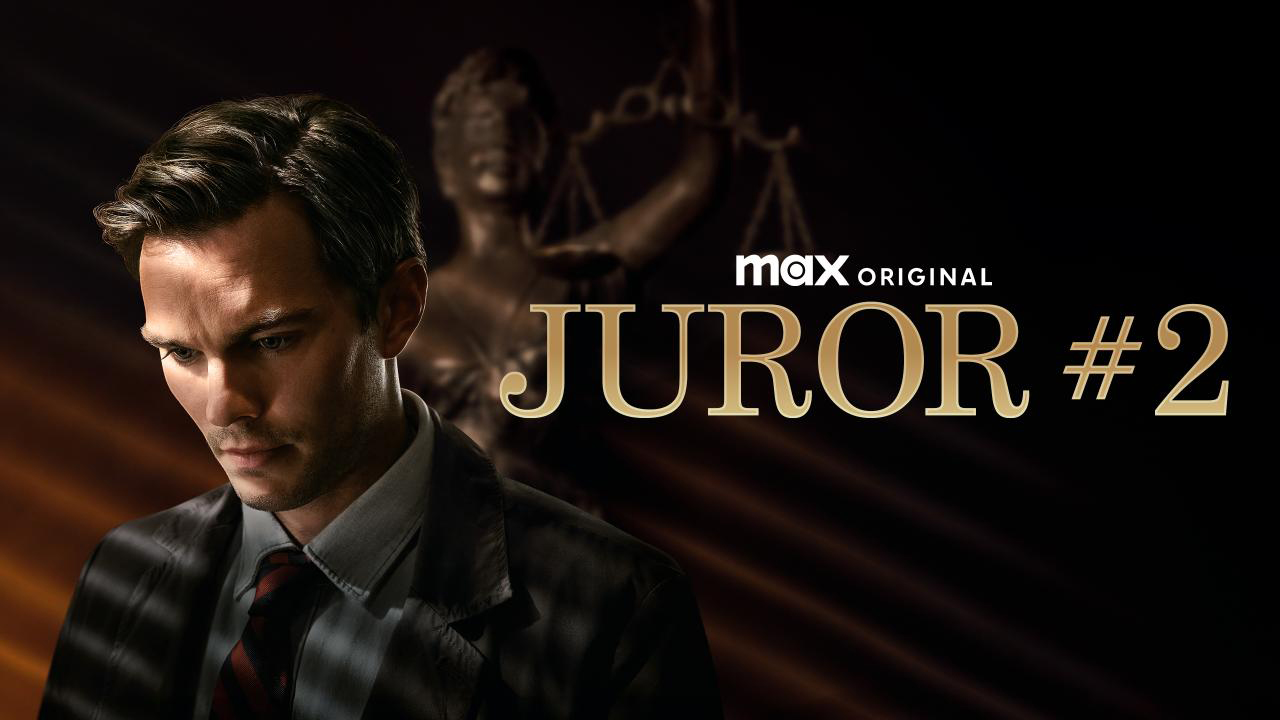
Justice is a central theme of this film and presents itself in many forms. The opening scene introduces a sketch of Lady Justice, a powerful symbol especially on the subject of legality. The scale featured in the image also reflects Justin weighing his decision throughout the film. In addition to this image being featured during the opening scene, the movie poster for Juror #2 also showcases Lady Justice behind Justin.
Faith, the attorney for the prosecution, is well-acquainted with Eric, the defense attorney. When the trial first begins, the two have a drink at a bar together after work. Eric mentions in conversation that he recognized a quote Faith used in one of her campaign speeches from a professor they both had. He echoes the quote, “justice is truth in action,” and hints that she is not living up to it in prosecuting James Scythe, although Faith insist that she believes the quote. Later, during one of the film’s final scenes, Justin says to Faith that “the truth isn’t always justice.” This likely plays a large role in the film’s ending and shows the different perceptions of justice as a concept.
Fleeting Moments that Hold Weight

Sprinkled throughout the film, there are a few little details that cast a deeper meaning upon a second glance. At the beginning of the film, when Justin and Faith each arrive at the courthouse separately, Faith drops her phone upon leaving her car. Justin picks it up off the ground and hands it back to her, to which she replies, “you’re a lifesaver.” This sits differently for a viewer that knows Justin committed vehicular manslaughter. It is a bit tongue-in-cheek considering the overall tone of the story.
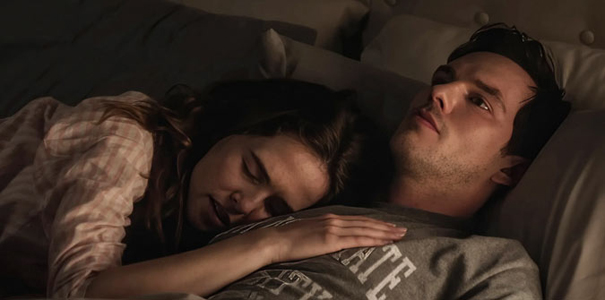
There are also hints at Justin and his wife, Allison, losing their twins before they are born. This is a big event that influences other components of the story, mainly Justin being at the scene of the crime at all. After the first day of the trial, when Justin suspects that he could have killed the victim, he finds the date of the crime marked in his digital calendar as “due date.” Another time this tragedy is hinted at is when Justin misses Allison’s appointment at the doctor’s office. She says that they “didn’t make it this far last time” and remarks that she does not want to do it alone.
Doubt in the System
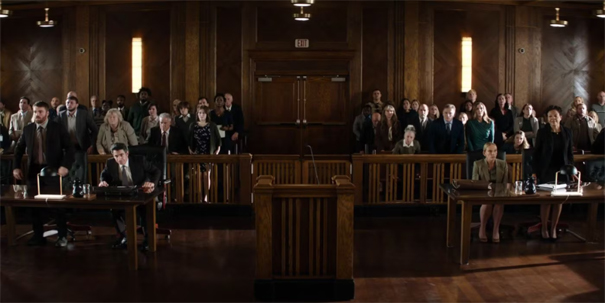
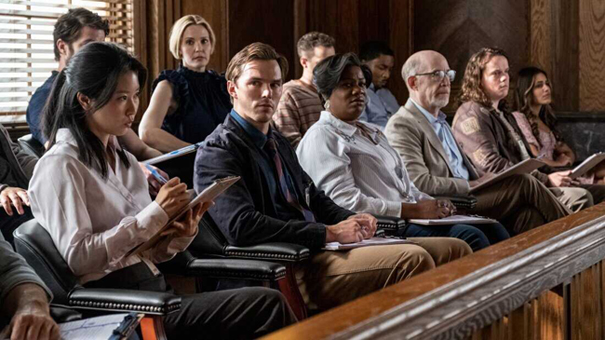
Juror #2 makes a compelling commentary on America’s justice system. From the start of the trial, Justin has flashbacks as he recounts the night of the crime in his head. As the trial progresses, he has every reason to doubt that James Scythe is guilty and that he himself is truly responsible. However, he still sits on the jury and attempts to sway his fellow jurors’ views on the case. Faith is confident that James Scythe is guilty until Harold is removed from the jury and tells her privately that she is wrong about the case.
Other prevalent faults exist among the jury. Harold is a former detective who begins investigating the case on his own. Marcus has bias against James Scythe immediately upon noticing one of his tattoos, a symbol that he is part of a gang. While Marcus runs the boys’ and girls’ club in his community, he also had a negative personal experience with gangs as his brother was killed due to gang violence. This gives him a negative perception of James Scythe and a view that he should be sentenced to prison regardless of the facts of the case. The prevailing doubt and bias held by everyone involved in the case is a testament to the flaws of America’s legal system, and the film opens a conversation about justice in the country.
Morality Versus Corruption
A focal point of the story is Faith’s campaign for office. This is introduced in the film’s very first scene, when Justin is driving to the courthouse and a voice on the radio talks about the upcoming election. The following scene reveals this further when Faith speaks to her campaign manager over the phone regarding the case. The campaign manager pushes that if Faith were to lose the case, it may be detrimental. Faith argues that is she wins the case, it would strengthen her campaign even more. It is clear that Faith has ulterior motives to win this case and have James Scythe convicted.
At first, Justin attends court believing he has no connections to the case. When he realizes that he does, his first instinct is to come forward. Upon having a discussion with a lawyer, it is explained to him that due to his past, it is likely that he would receive a sentence of thirty years to life in prison. This moment skews his moral compass. Justin has a pregnant wife and is excited to raise his child with her. This pushes him to keep his involvement a secret and instead sway the jury to find James Scythe innocent. However, when Harold begins conducting his own investigation and Faith question Allison about Justin’s car accident, he decides that James Scythe must be convicted in order to avoid prison himself.
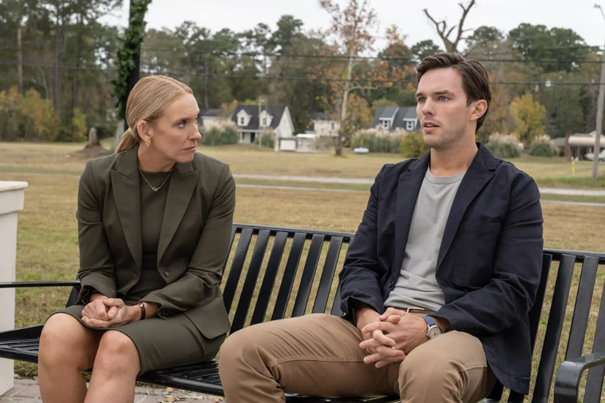
After James Scythe is convicted and sentenced, Faith pieces together that Justin must be the rightfully guilty party. Justin and Faith then share a cryptic conversation outside the courthouse, clearly having a mutual understanding that they played a part in wrongfully convicting James Scythe. However, Faith feels guilty about the situation while Justin stands by the fact that his family needs him. He tells Faith it would hurt her new position in office if she came forward about the wrongful conviction. Just as it seems that Justin has avoided punishment, Faith shows up at his doorstep, ending the film.
It can be presumed that Faith has decided to come forward, but the question stands, does Faith stand on a higher moral ground or does she simply know that this situation will be much worse for Justin than herself? Juror #2 also challenges its audience. James Scythe is a former gang member and someone who was known to the community as being aggressive with his girlfriend when drinking. Justin is a mild-mannered new father that values family above everything. Does this our view as a country of who should be sentenced to prison versus who should be allowed free? The film leaves several questions on morality for its audience to form their own opinions. Leaving its storyline partially open-ended, Juror #2 blurs the lines of morality and justice, leaving its audience to decide right from wrong and define justice for themselves.