SPOILERS AHEAD (obviously)…
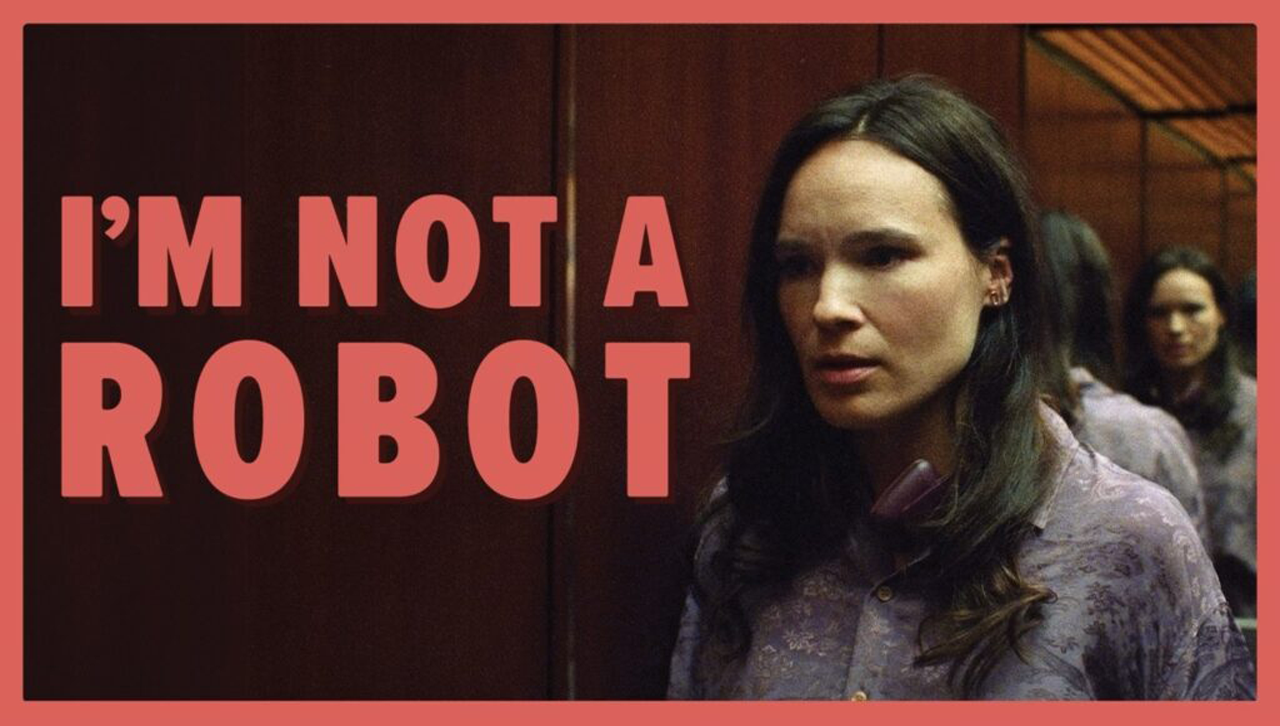
Victoria Warmerdam’s I Am Not a Robot offers a unique take on the modern world, using science fiction and metaphor to deliver its message. Having won “Best Live Action Short Film” at the 2025 Academy Awards, this cinematic piece holds many moving parts, working together to strengthen the hard-hitting storyline. It follows protagonist, Lara, as she goes through a normal day at work until her computer requires her to complete a CAPTCHA for a software update. When she is unable to do this successfully, she soon realizes that the world as she knows it is a lie, shattering her reality.
There are several complex elements of this short film that add layers of social commentary into the plot. Despite I Am Not a Robot running about twenty minutes long, it ventures to create an intricate universe in which humans and “bots” coexist. While Lara’s world is turned upside down, those around her are calm and seemingly knowing when they learn of her shocking revelation, as if, in this universe, humans are aware of their coexistence with bots but bots are unaware that they are not humans. This innovative universe is brought to life through visuals, clever dialogue, social commentary, and soundscapes.
Dueling Visuals
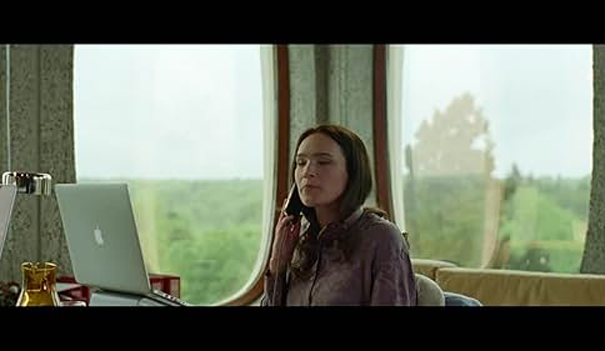
The entirety of this short film takes place inside and outside of Lara’s workplace. Gliding through the visuals of the film, there is a clear and constant juxtaposition that can be recognized between manmade and natural landscapes. This is made especially prominent with the use of warm and cool tones, creating a very intentional and consistent visual contrast. This aids in driving the story, immersing the film’s audience in a world where humans and bots, despite their glaring differences, coexist. The yin yang structure of visual elements used in the film demonstrate not only how different Lara is from her human cohorts and partner, but also how the worlds have been blended to the point where nobody finds the existence of realistic bots with emotions and ambitions surprising. Rather, humans find themselves surprised only when they are that bot.
Notable Dialogue
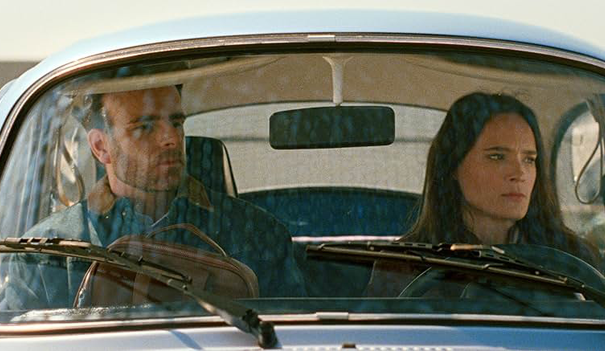
Before Lara is told by Pam that she herself is a bot, there are a couple moments exemplified through dialogue that send Lara into a panic. Although she does not know of her origins yet, she certainly has unsettling thoughts about herself. Lara first calls her husband, David, from work, explaining that she could not pass the CAPTCHA or the online test to determine that she is human. Before she discloses this, David tells her that he is playing with “the boys” but Lara misunderstands him, thinking he said “toys.” Shortly after, Lara runs into a handyman in the bathroom who tells her he is fixing a door, but she misunderstands and thinks he is asking her to fix it. These are clear disconnects between her and them, and they plant the seed of doubt in her head before the news is broken.
This can be interpreted as a note on doubt. It is a common experience for people to ignore signs and gut feelings for the sake of living in a fantasy, building a better reality in one’s mind rather than facing the one in which they are truly living. Lara clearly has doubts that she is human, as she is sent into an internal panic very quickly. She simply denies the truth because she wants to live in a different reality. Told through a fantastical science fiction storyline, at its core, this is a very real experience that many endure.
The State of the World
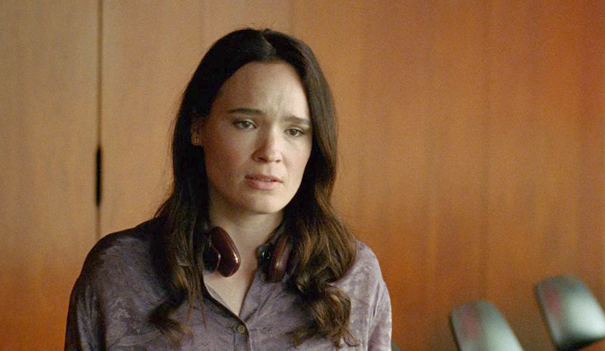
What makes I Am Not a Robot especially intriguing is its room for interpretation regarding social commentary. Lara has a career as a music producer, and it is mentioned in the film that Lara is responsible for the creative portion of the production process. Considering the conversation of AI and other technologies taking over creative fields, this seemed to be a very intentional choice. Lara is successful in her job until she faces the CAPTCHA. It is her status of being a robot that prohibits her from continuing her career. This aspect of the film can be interpreted as a social commentary on the current state of technology and creativity in the real world.
The other clear social commentary that can be interpreted upon viewing this film is how quickly and easily a woman’s autonomy can be taken away from them. Although Lara seems to have a gut feeling that something isn’t right, she abruptly learns from Pam that her husband, David, “collected” her from Pam’s company as a way to replace his late wife. Consequently, Lara’s life may not end until David’s does, preventing him from having to mourn her when she dies. When Lara learns this, she attempts to end her life by jumping off the roof of her workplace. She lands face down on the ground, blood pooling around her face, and yet, her eyes open and she looks somberly at the ground. She has realized that she is completely trapped in her own life without any sense of control. Her perception of the world and sense of self has been forever changed. This can be interpreted as a commentary on the state of the world in terms of government and women’s autonomy. I Am Not a Robot highlights the crippling feeling of one having their autonomy ripped away from them.
Musical Bookends
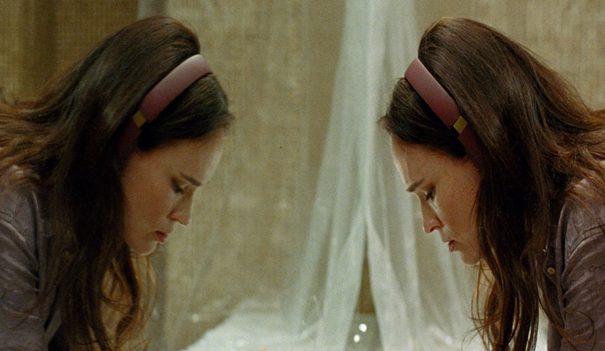
At the film’s opening, a choral version of “Creep” by Radiohead plays as Lara listens through headphones before being interrupted by the CAPTCHA. This song is widely known as a misfit anthem. It explores themes of alienation and self-doubt, ideas that are prominent in this short film. The song playing at the start of the film foreshadows its storyline and impact. At the film’s end, when Lara jumps off the roof of her workplace and hits the pavement face down, the same choral version of the song plays once again, as blood pools around Lara’s face and the credits roll.
Lara lives in a world where she is different from everyone she knows. At the start of the film, she is unaware of this, allowing the song to serve as a foreshadow. However, she goes through phases of uncertainty and self-doubt throughout the film to finally face the truth at the film’s end. The survival of her suicide attempt marks that this scenario is real and it is her life. She now has a completely different view of herself, an understanding of quite how isolated she is, which she never had before. In this moment, the song serves as a conclusion. It ends the story in an impactful way, as the audience watches Lara bleed onto the pavement, unable to die, unable to make that decision for herself. She gazes longingly at the ground as this reality seeps in, a tragic and powerful metaphor for one’s autonomy and character being brutally stripped away.