SPOILERS AHEAD (obviously)…
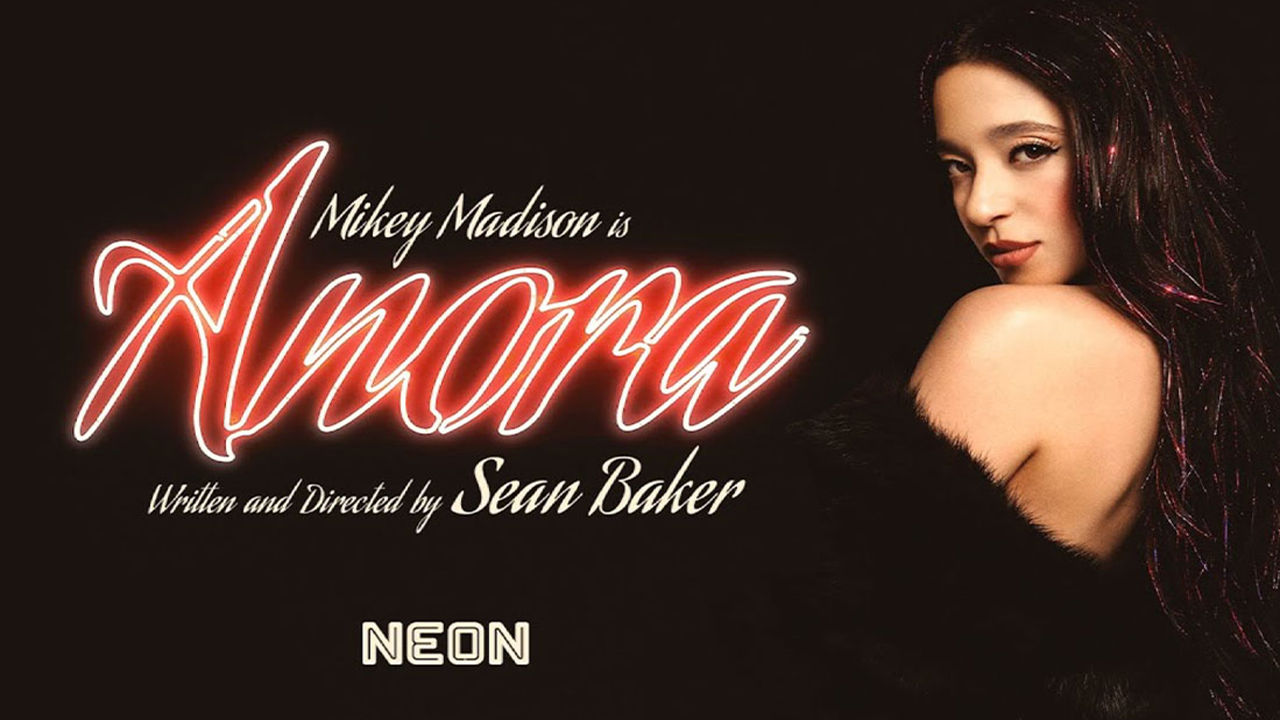
Anora swept up several awards at the Oscars, having been nominated for six and taking home five, including Best Picture, Best Director, Best Actress, Best Original Screenplay, and Best Editing. An independent film about lust and class, it follows Anora, a young sex worker in New York City that falls for Vanya, the eccentric son of a Russian oligarch, and the events that follow when his parents set out to have their wedding annulled. It is a punchy and moving story highlighting prominent social issues of class and wealth. Directed by Sean Baker and starring Mikey Madison as Ani (or Anora), supported by Mark Eydelshteyn as Vanya (or Ivan), the independent picture has gained a lot of attention since its award nominations and winnings.
Although this film is quite blunt in tone, having a humorous overlay against a somber backdrop, Anora does have some subtleties that can be explored beneath the surface. Visuals and dialogue tactfully expose important messages embedded in the storyline. Additionally, an Easter Egg from one of Baker’s previous projects can also be identified in Anora. Symbolism and compelling commentary add dimension to this film, making it a richer piece than one may first expect.
True Colors
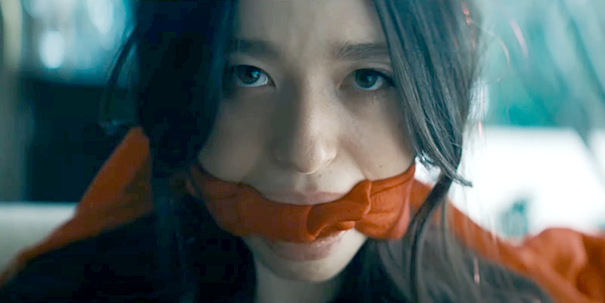
At the start of the film, Ani wears the color blue frequently, both in and outside of her work. Later, after Vanya runs out of the house, leaving Ani with the henchmen of his parents, she screams for help and the henchmen gag her with a red scarf to keep her quiet. When the search for the missing Vanya ensues, night falls and the temperature drops, cueing one of the henchmen, Igor, to give Ani the red scarf in an attempt to keep her warm. Toward the end of the film, after the annulment has concluded, Vanya’s mother points out that the scarf is hers. Ani tells her off proudly and throws the red scarf on the floor. Ani is seen wearing blue again after this scene to the end of the film.
The change from blue clothing to the red scarf and back to blue again can be considered in many ways. The color blue is a symbol for tranquility, trust, and intelligence, whereas red represents power, passion, and danger. In this sense, Ani leaves her sense of peace behind when she enters Vanya’s web of deceit, and her ditching the scarf and wearing blue again is symbolic of her return back to her normal life. Anora also offers commentary on life in the United States and the American dream. On this note, with red and blue both having a renowned presence on the American flag yet often pitted against each other in several contexts (blue often associated with good and red being evil), this choice in the film could suggest how divided the nation truly is regarding class and wealth. Ani and Vanya’s family could not be more different from each other, yet money brought Vanya and Ani together in the first place.
On another front, the red scarf can also act as a symbol that compares Ani’s relationship to Igor to that of Vanya. Ani is immediately attracted to Vanya because of his wealth and fast-paced lifestyle. However, when the audience is given the chance to really examine Vanya, he’s kind of…a total loser. He doesn’t work or contribute to society in any way. He just plays video games and does drugs, and nothing he does is ever really genuine. This is ultimately what causes Ani’s idea of a fairytale to crumble entirely. This is a big contrast to her relationship to Igor, who meets her when holding her hostage as a henchman for Vanya’s parents. Ani cannot stand Igor, but he tries to be respectful to her over and over again. When he offers Ani the scarf, she originally refuses, but she eventually caves and accepts the offer, which foreshadows their closeness later in the film.
Igor ends up obtaining the ring that Vanya gave to Ani when they got married. He gives it back to her as a kind gesture, which lets her know that he was genuinely looking out for her the whole time. This is a much more authentic connection than she ever had with Vanya, or perhaps anyone, and it proves itself to be an uncomfortable situation for her (more on that later). The scarf foreshadows Igor’s kind heart and softness toward Ani, despite the circumstances in which they met.
Death of the American Dream
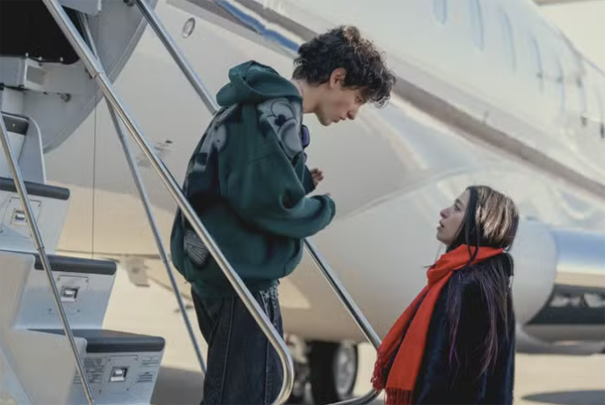
It is fairly clear from the start that Vanya is not going to be a very likable character. He is rather daft and seems to have a pretty one-dimensional personality. Ani is the clear protagonist, as she quickly proves herself to be clever, witty, and good at what she does. Throughout the first part of the film, it becomes even more apparent that Ani is getting herself into trouble by getting deeply involved with Vanya, a young and selfish man with no real values or substantial future. The fact that Vanya is Ani’s client presents a clear power imbalance, reminiscent of the film’s prominent themes of wealth and social class. However, Ani sees him with rose-tinted glasses for the better part of the film, not Igor, Vanya’s father, or anyone else can convince her to doubt that Vanya truly reciprocates her seriousness about the relationship. Not even Vanya running away and paying for a private room with Ani’s work enemy turns her off of him. It is not until Vanya himself, on the plane heading to Vegas for the annulment, tells Ani bluntly that, of course, this marriage was not actually real, and that she is stupid for believing it could be, that Ani takes off the glasses and sees him for who he really is.
To Ani, the marriage was a perfect fairytale of love and opportunity. She was swept off her feet and caught up in a whirlwind romance with a descendent of political power. To Vanya, however, it was nothing more than a fun vacation. The film makes it clear that even though Vanya and his family are leaving the situation unscathed and intact while Ani is traumatized, she is the hero of the story while Vanya and his family are all antagonists. This juxtaposition presents a classic commentary on classism. Vanya’s parents express their discontent, mortified and disgraced by his marriage to a sex worker, but Ani exemplifies more honor and dignity than all of them.
A Somber End
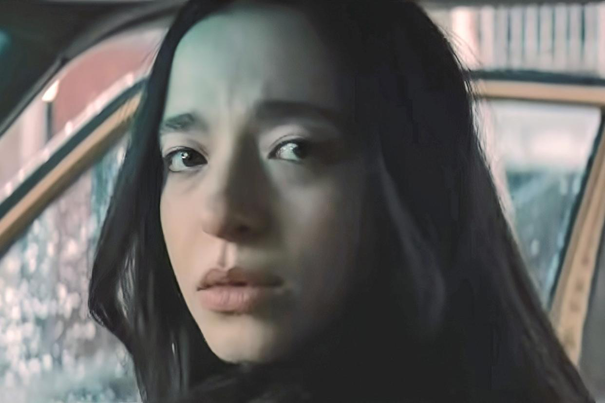
Baker’s film is punctuated with a troubling ending scene. After Igor gives Ani her ring back, she initiates sex with him in his car. He tries to kiss her, but as he brings her face closer to his, Ani has a negative reaction and hits him before breaking down in sobs, crying in his arms until the credits roll. This scene can be interpreted in a number of ways, but an important takeaway is that Ani’s relationship with sex has been transactional throughout the film. Despite Ani’s feeling that what began as a client relationship with Vanya evolved into a romantic one, this was a completely one-sided view. Their connection was always transactional to Vanya, and this blow has left Ani deeply traumatized.
Ani initiates sex seemingly to thank Igor for his gesture of returning the ring to her. Igor’s attempt at showing real vulnerability and intimacy to Ani likely showed her how fabricated her relationship was with Vanya and highlights her fear of getting close to someone else. The scene shows the film’s audience just how much damage Vanya and his family caused simply through their careless and selfish actions. It punctuates the film by leading the audience to feel sympathy for Ani.
Strawberry’s Big Debut
In a previous Sean Baker film titled Red Rocket, former adult film star Mikey Saber attempts to move back into the industry by introducing a young woman he finds at a donut shop into the film world. The film ends on an ambiguous note, as it seems Saber’s plans have come crashing down. However, the last scene depicts him driving by Strawberry’s home, where he spots her posing provocatively in a swimsuit at her doorstep. It is unclear based on the context of the film and scene itself whether this is reality or simply just a fantasy.
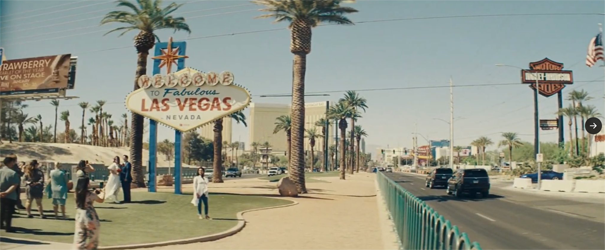
Anora suggests that Strawberry did in fact break into the adult film industry and became very successful, as Red Rocket was set three years prior. During the second trip to Las Vegas in Anora, a billboard can be spotted with a picture of a redhead and text that references Strawberry performing. This Easter Egg is a fun addition to the independent picture, as it adds another dimension to Baker’s universe of films and helps keep a sense of levity to contrast Anora’s dark themes. The multitude of symbols and foreshadows of all different contexts and tones help to make Anora an innovative and inspiring piece with several layers to be examined from various perspectives.